

photo_2025-01-27_09-04-31

Explanation of the Meaningsof The Noble Qur’an in the English Language

Introduction
All praise be to Allah, and may Allah’s peace and blessings be upon our
Prophet Muhammad, his family, and all his Companions.
The Noble Qur’an is the speech of Allah Almighty, the lasting miracle,
and the conclusive evidence against all mankind and jinn. It is the
foremost source of Islam, epitomizing the ultimate perfection,
magnificence, miraculousness, and eloquence. It is a standing proof
against all those who are accountable to their Lord. Allah Almighty
commanded us to convey it to all people. The Prophet (may Allah’s
peace and blessings be upon him) is quoted in the Qura’n as saying:
{This Qur’an has been revealed to me so that I may warn you thereby
and whomsoever it reaches.} [Surat al-An‘ām: 19]. In another verse,
Allah Almighty says: {This [Qur’an] is a message for all mankind, so
that they may be warned thereby} [Surat Ibrahīm: 52]. He also says: {O
Messenger, convey what has been sent down to you from your Lord. If
you do not do that, then you have not conveyed His message.} [Surat
al-Mā’idah: 67]. And He says: {And strive against them with this
[Qur’an] a great striving.} [Surat al-Furqān: 52]. And the Prophet (may
Allah’s peace and blessings be upon him) said: “Convey from me, even
if it be one verse.” [Al-Bukhāri]. In another Hadīth, he said: “The best
of you are those who learn the Qur’an and teach it (to others).” [AlBukhāri].
As non-Arabic speakers exceed 90% of the world population, it is
impossible to convey the Qur’an and its meanings, arguments,
evidence, and miraculousness to them, except through proficient
translations in their respective languages.
In order to fulfill a part of this duty, Rowad Translation Center, in
collaboration with www.Islamhouse.com, which is affiliated to the
Islamic Propagation Association in Rabwah, has embarked upon an
initiative for explaining and disseminating the meanings of the Qur’an
through a number of projects aimed at producing accurate and reliable
translations of the meanings of the Qur’an in different languages, then
printing them and making them available for free, as well as publishing
them on the website of the Noble Qur’an encyclopedia
www.quranenc.com.
We are greatly pleased to present this new translation – Explanation of
the Meanings of the Noble Qur’an in the English Language – as a
service for English speakers worldwide. All praise be to Allah Almighty
Who facilitated the accomplishment of this work and made it possible.
We hope that Allah will make it beneficial and accept it as purely
rendered for His sake. We thank everyone who played any part in
accomplishing this large-scale project.
It is noteworthy that no matter how accurate any translation of the
meanings of the Qur’an may be, it will still fall short in conveying the
transcendent meanings of the miraculous Qur’anic text, and that the
meanings conveyed by this translation is only the product reached by
the extent of the team’s knowledge as far as understanding this Sacred
Book. Hence, this translation cannot be error-free, as is the case with
any human endeavor
As we always seek to improve these translations on an ongoing basis,
you are kindly invited to send your remarks, if any, through the note
box next to each verse on the website
of the Noble Qur’an encyclopedia www.quranenc.com. For other
suggestions or queries, you can contact us via this email:
[email protected].
We implore Allah Almighty to grant us help, guidance, and success,
and to render our intention and work solely done for His sake. And may
Allah’s peace and blessings be upon our Prophet Muhammad.

05 English Islam – Ma’had As-Sunnah Supervised by Dr. Haytham Sarhaan
📚 Learn Islam through online classes, educational videos, Arabic lessons, children’s content, free book downloads, and da‘wah resources.
📺

🌐 http://mahadsunnah.com/

📘 https://www.facebook.com/profile.php?id=100063611231801
📲 https://t.me/Englishooooooo
📚 https://sarhaan.com/a/الإنجليزية-english/
📷 https://instagram.com/english__islam_mahad_al_sunna?igshid=MmIzYWVlNDQ5Yg==
🐦 https://twitter.com/mahadas_sunnah?s=11&t=0kffUO9uzhjFITlTEZ-VHQ
📱 https://whatsapp.com/channel/0029Va8qEP665yD2gOencl1h
🎵 https://www.tiktok.com/@drhaythamsarhan?_t=8hfNNlRM4N4&_r=1

#Islam #Learning #OnlineEducation #Dawah #Children #ArabicLanguage #FreeBooks #ImportantLessons #UsoolThalatha #Seerah
انشر تؤجر

#Islam #IslamicEducation #LearnIslam #IslamOnline #IslamicStudies #IslamicKnowledge #IslamicLearning #OnlineIslam #IslamicInstitute #IslamicAcademy #IslamicSchool #MahadAsSunnah #MahadSunnah #SunnahInstitute #AhlusSunnah #FollowingSunnah #QuranAndSunnah #AuthenticIslam #TrueIslam #PureIslam #IslamicDawah #DawahOnline #InviteToIslam #SpreadIslam #GlobalDawah #DigitalDawah #IslamForAll #IslamForBeginners #IslamForKids #IslamicKids #MuslimChildren #IslamicParenting #ArabicLanguage #LearnArabic #ArabicOnline #ArabicForBeginners #Quran #QuranStudies #Tafsir #Hadith #Fiqh #Aqidah #Tawheed #UsoolThalatha #Seerah #ProphetMuhammad #IslamicVideos #IslamicLectures #IslamicClips #IslamicContent #IslamicMedia #IslamicYouTube #IslamicTikTok #IslamicInstagram #IslamicFacebook #IslamicReels #IslamicShorts #ShortIslam #EducationalContent #OnlineClasses #DistanceLearning #Elearning #FreeIslamicBooks #FreeBooks #IslamicLibrary #IslamicResources #IslamicWebsite #MuslimEducation #MuslimCommunity #IslamicGuidance #SeekingKnowledge #KnowledgeIsLight #Faith #Iman #Worship #SpiritualGrowth #IslamicLifestyle #SalafiManhaj #ManhajSalaf #IslamicCreed #SoundAqidah #CorrectBelief #Tazkiyah #IslamicEthics #IslamicManners #IslamicHistory #StoriesOfProphets #DailyReminder #LessonsForLife #MuslimYouth #NewMuslims #RevertSupport #IslamWorldwide #OnlineUmmah #Sarhaan #SarhaanBooks #SarhaanLibrary #SarhaanMedia #DrHaythamSarhaan #HaythamSarhaan
#Music
#Art
#Culture
#Media
#DigitalMedia
#SocialMedia
#OnlineCommunity
#ContentCreation
#CreativeContent
#VideoContent
#AudioContent
#Podcast
#MusicLovers
#ArtLovers
#CreativeMind
#Creativity
#Inspiration
#Motivation
#DailyInspiration
#LifeLessons
#Lifestyle
#ModernLife
#HealthyLifestyle
#Mindset
#PositiveMindset
#MentalHealth
#Wellbeing
#InnerPeace
#SelfImprovement
#PersonalGrowth
#Education
#Learning
#Knowledge
#GeneralKnowledge
#OpenDiscussion
#PublicForum
#CommunityTalk
#Trending
#ViralContent
#HotTopics
#Discussion
#Debate
#Opinions
#Ideas
#Thoughts
#Perspective
#WorldView
#Society
#SocialIssues
#HumanValues
#Ethics
#Morality
#Respect
#Dialogue
#Communication
#Language
#Languages
#Translation
#Writing
#Reading
#Books
#BookLovers
#Literature
#Poetry
#History
#WorldHistory
#Heritage
#Civilization
#Philosophy
#CriticalThinking
#Science
#Technology
#Tech
#Innovation
#DigitalLife
#InternetCulture
#OnlineWorld
#GlobalCommunity
#WorldWide
#People
#Humanity
#Youth
#NextGeneration
#Future
#Awareness
#SocialAwareness
#MediaAwareness
#CreativeForum
#OpenMind
#FreeDiscussion
#ShareIdeas
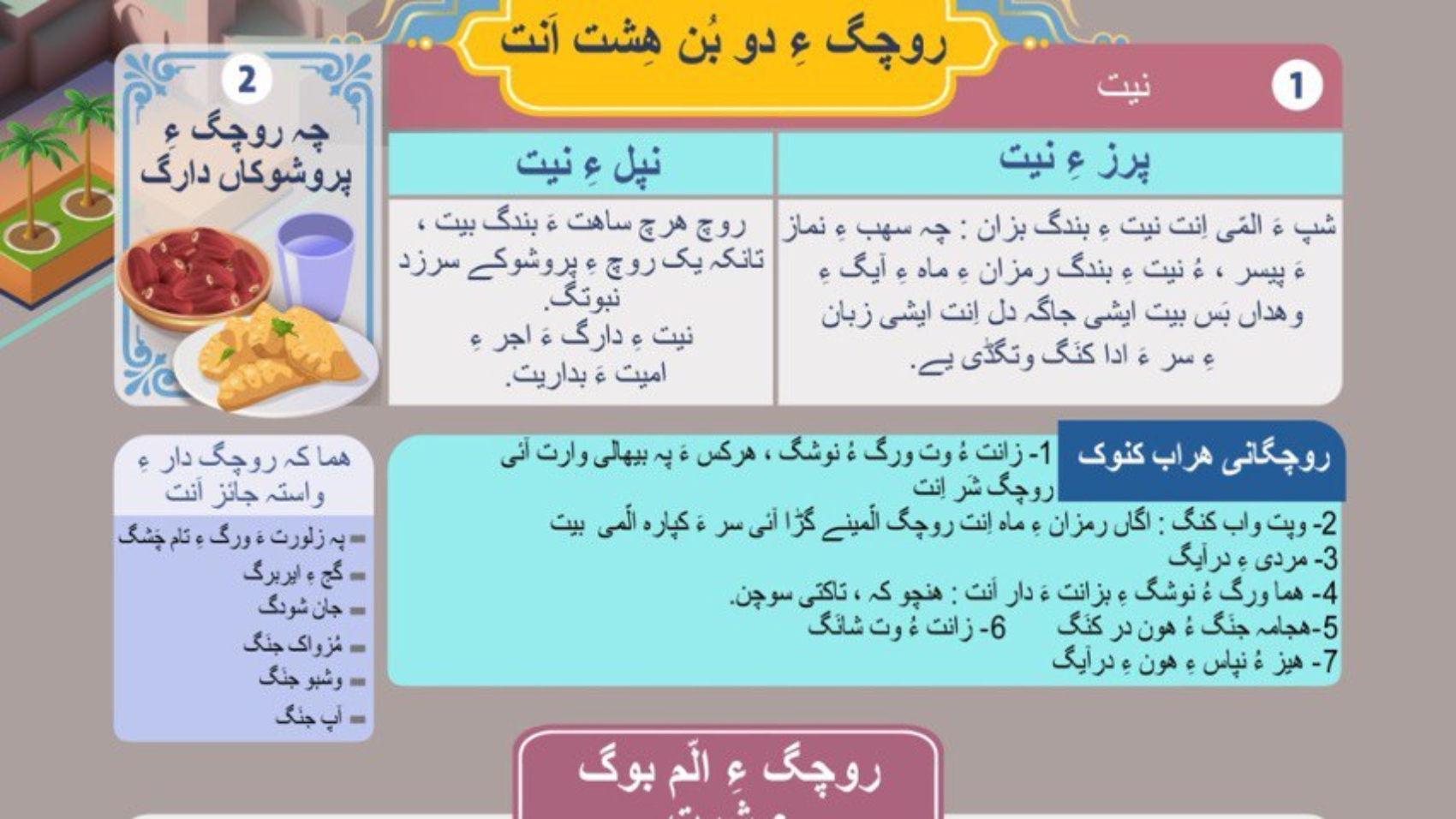
photo_2025-01-27_08-31-16

Ілюстрація про піст

*Ілюстрація про піст*
Склав шейх професор Хайсам Сархан.

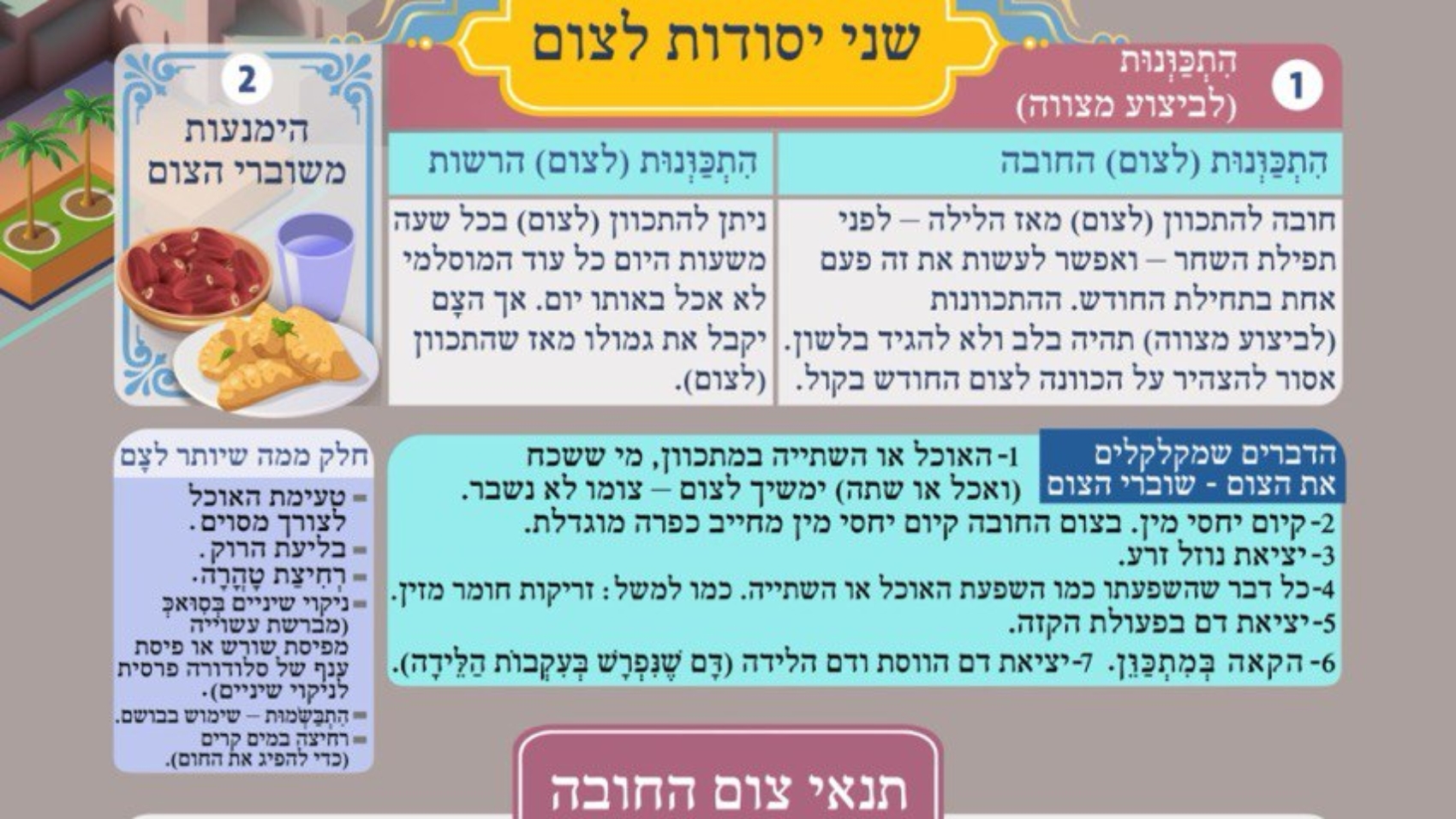
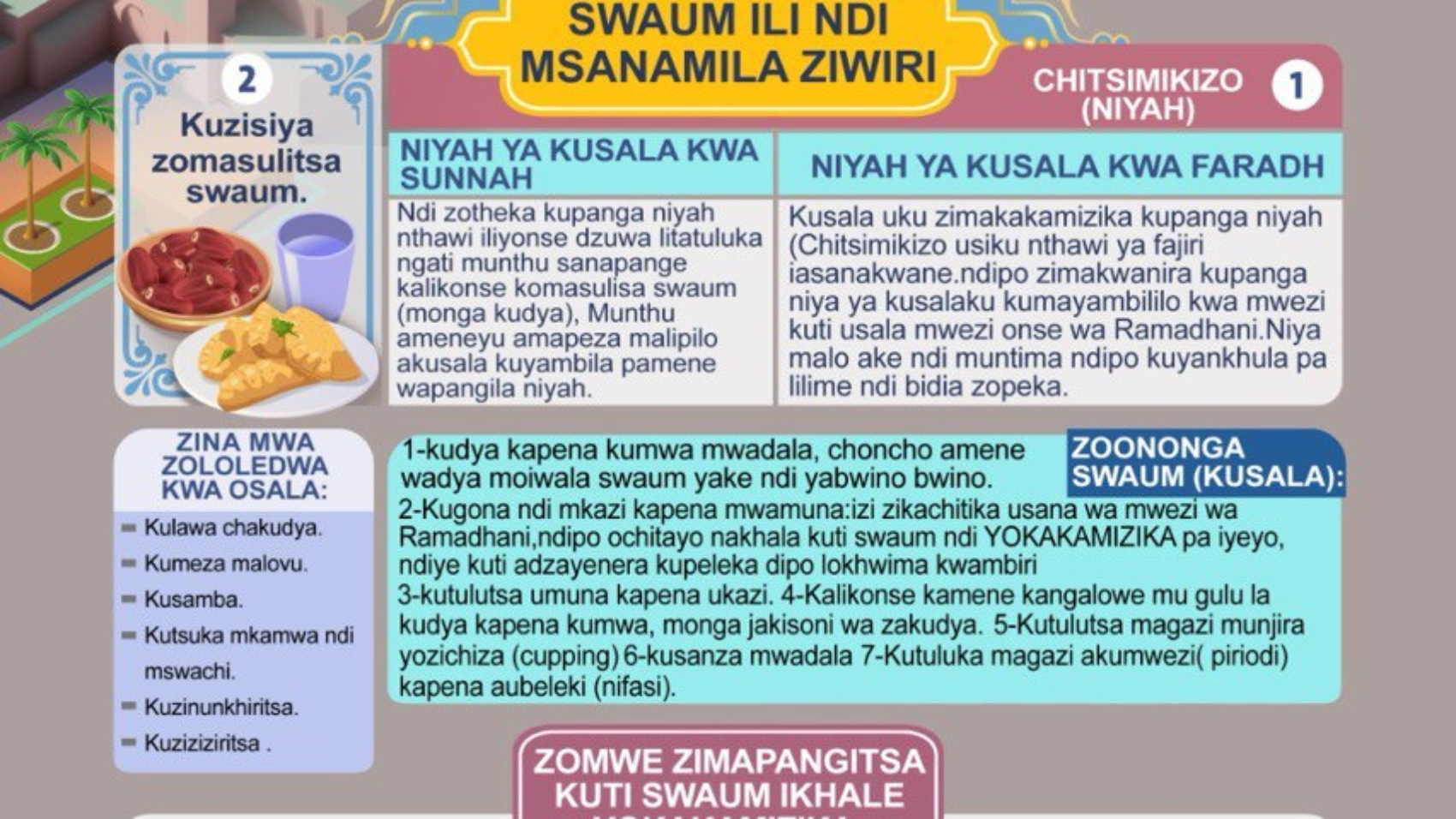
У ній згадано найважливіші питання, пов’язані з обов’язковим та бажаним постом, дано визначення посту, вказано, коли піст є небажаним, а коли забороненим, а також згадано найважливіші постанови фікха, пов’язані з постом.

photo_2025-01-26_12-02-49

Kur’aani kronkron

Kur’aani kronkron yɛ Onyankopɔn asɛm, wiase nyinaa ne wɔn Bɔfo wura.
Ɔsiane maa akɔmhyɛfoɔ ne asomafoɔ kaakyire, Muhammad, (Nyankopɔn nhyira ne
n’asomdwoeɛ nka no), sɛneɛ ɔdebɛda botaeɛ nti a ɔbɔɔ adasamma adi akyerɛ wɔn,
na ɔde akyerɛ wɔn kwan akɔ nea ɛde anigyeɛ bɛbrɛ wɔn wɔ wiase yi ne awieɛberɛ
(atemmuada) mu, na wagye wɔn afiri daa amanehunu mu wɔ owuo akyi. Na ɛyɛ
Onyankopɔn nwoma a ɛtwa toɔ a wɔasiane, dehyɛ mu den, na ɔde apepa mmrasɛm.
Kur’aan Kronkron no yɛ daa nsɛnkyerɛnne ne anwanwadeɛ, na ɛyɛ adanseɛ a
ɛkyerɛ adiyisɛm a ɛwɔ Allah somafoɔ Muhammad so (Allah nhyira ne n’asomdwoeɛ nka
no),Onyankopɔn twaa adasamma ne jinn mpoa sɛ wɔnfa biribi a ɛte sɛ ɛno mmra, anaa
mpo surah bi ɛfiri mu, nanso wɔantumi anyɛ saa.
Nsa a wɔdekyinkyim na wɔdesesa no nnuruu ne nkyɛn firi berɛ a wɔsianeeɛ bɛboro
mfeɛ 1,400 a atwam ni, na ɛbɛkɔ so akora no wɔ Arabic kasa a wɔdesianeeɛ no mu,
sɛdeɛ Ade Nyinaa so Tumfoɔ Nyankopɔn ahwɛ sɛ wɔbɛkora no akɔsi mmerɛ awieeɛ no.
Kur’aan Kronkron no ne Islam fibea titire, ne mmarasɛm a ɛsiesie adasamma abrabɔ
na wɔde di wɔn ntam asɛm wɔ berɛ ne beaɛ biara mu. ɛfrɛ (onipa) kɔ Onyankopɔn kropɛ
a ɔbɔɔ adeɛ no som so, na ɛkyerɛkyerɛ deɛ ehia onipa a ɛbɛma wahu n’Awurade ne ne
som mu, ne wiase abɔdeɛ mfitiaseɛ, ne gyinapɛn ahoroɔ wɔ onipa mmɔeɛ mu, na ɛbɔ
nsumaeɛ mu nsɛm a atwam ne neɛ ɛbɛsi daakye ho amaneɛ, ɛne akɔmhyɛfoɔ adikanfoɔ
no abakwasɛm, (Allah asomdwoeɛ nka wɔn), ɛne sɛneɛ Allah boa wɔn na ɔsɛee wɔn
atamfonom, na nyamesom ne nnipa ho nkutahodie fapem wɔ mu, ne suban pa nnipa ani
sɔ ho dawubɔ, ne ahwɛyie ɛfa suban bɔne a wɔkasa tia ho, ne tenaberɛ a ɛwɔ awieɛberɛ
no mu, sɛ ɛyɛ soro aheman mu; ɛyɛ agyedifoɔ fie anaasɛ ogya dareɛ no mu; ɛyɛ asisifoɔ
ne abonniayɛfoɔ fie.
Ɛnam hia a nwoma kɛseɛ yi a Onyankopɔn daa no adi wɔ Arabic kasa mu ho hia, na
ɔhyɛɛ sɛ yɛnka mu nsɛm nkyerɛ adesamma nti, ɛyɛ yɛn ani agye – ɔkenkanfoɔ ɔyɛmyɛfoɔ
– sɛ yɛde ne nkyerɛaseɛ nkyerɛaseɛ bɛma wo wɔ wo kasa mu, sɛdeɛ ɛbɛyɛ a ne nteaseɛ
ne ne dawubɔ ɛbɛyɛ mmerɛ. Na yɛ adwumayɛfo abɔ mmɔden fa ne nkyerɛase ase ne
nkyerɛ ase, a wunim pɛfee yie sɛ ɛmfa ho sɛnea nkyerɛase no yɛ nokware no, ɛbɛda
so ara atɔsene wɔ ntease akɛse a Kur’aan Kronkron no mu anwonwade nkyerɛwee no
kyerɛ no mu, a ɛboro onipa biara so no ho adeyɛ, ne obiara a ɔpɛ sɛ ogyina nokwasɛm
pii so Yɛkamfo kyerɛ no sɛ ɔnsua Arabic kasa a wɔdaa no adi wɔ mu no.
Na Allah asomdwoe nka Asomafoɔ no, na aseda nyinaa nka Allah, Abɔdeɛ nyinaa
Awurade no.
Kur’aan Kronkron Ɛyɛ Nimdeɛ dodoɔ nwoma.
Wobɛtumi afa (QR koodu) yi so ahwɛ Kur’aan Kronkron no nkyerɛaseɛ nkyerɛaseɛ wɔ
wo kasa mu.
•Yɛn ani gye sɛ yɛbɛnya mo adwenkyerɛ ne mo nsusuɛ a mobɛka sɛdeɛ ɛbɛ ma
nkyerɛaseɛ dwumadie yi akɔ nkan, ɛwɔ nkyekyɛmu (Ayah) biara anim wɔ Kur’aan
Kronkron wɔ ntentan yi
(www.quranenc.com)

photo_2025-01-26_11-44-05

Qor’ani ntagatifu

Qor’ani ntagatifu, ni amajambo y’Imana Allah, Umubungabunzi Rurema
w’ibiremwa vyose, Yayimanuriye uwahetuye Abavugishwamana n’Intumwa,
Muhamadi (nyakugira amahoro n’impuhwe z’Imana Allah). Iyo Qor’ani yamanuwe
kugira imenyeshe ibiremwa ihangiro ry’iremwa ryavyo, ibirongore ku bikorwa
birimwo imvo z’uguhimbarwa kwavyo mu buzima bwo kw’isi no mu bw’inyuma yo
gupfa, iheze ibirokore mu magorwa yamaho mu nyuma yo gupfa. Qor’ani ntagatifu
rero, ni co Gitabu camanuwe mu nyuma mu Bitabu vyamanuwe n’Imana Allah, kugira
ishimangire ukuri kuri muri vyo, yongere isubirize amabwirizwa yavyo mu gushinga
ayandi.
Qor’ani ntagatifu, ni icemezo n’igitangaro bizokwamaho, vyemeza ubutumwa
bw’Intumwa y’Imana Muhamadi (nyakugira amahoro n’impuhwe z’Imana Allah),
Imana Allah Yahigishije abantu n’Amajini ko vyozana amajambo ameze nkayo,
n’aho coba ari igisomwa kimwe gusa, biraheza birananirwa.
Iminwe y’abahindagura amajambo, ntirashika aho yohindura na kimwe muri yo
kuva aho imanuriwe. Haraheze rero ikiringo kirenga ibinjana 14 imanuwe, kira noneho
izoguma ibungwabunzwe icungerewe n’ururimi rw’icarabu yamanuwemwo, aho
Imana Allah ari Yo Yonyene Yishinze kuyicungera ngo ntivogerwe n’abayihindagura
gushika ku musi w’iherezo.
Qor’ani ntagatifu, ni ryo tegeko rya mbere ry’ubwislamu, ikaba n’ibwirizwa
ngenderwako ryisungwa mu gutunganya ubuzima bwa kiremwa-muntu mu bihe
vyose n’aho ari ho hose; irarikira abantu ukwiyeregereza Imana Allah mu kuyisenga
Itabangikanijwe na kimwe, kuko ari Yo Yonyene Rurema; igatomorera kiremwa-muntu
ico cose akeneye kumenya ku vyerekeye Imana Rurema Allah, hamwe n’idini ry’ukuri
ico kiremwa gitegerezwa gukurikira, kinamenye n’intango y’iremwa ry’isi n’ijuru n’ibiri
muri vyo, hatibagiwe iremwa ry’umuntu. Iranavuga ku vyerekeye ibinyegejwe ibiremwa,
muri kahise no muri kazoza, ku vyererekeye kahise n’amateka y’Abavugishwamana (ba
nyakugira amahoro y’Imana Allah), ukuntu Imana Allah Yabateye ingoga bakanesha
abansi babo bagahona. Muri Qor’ani harimwo kandi amategeko ngenderwako ku bijanye
no gutunganya amasengesho n’umubano mwiza mu bantu, mu bijanye n’amasezerano
abantu bagiriranira hagati yabo mu gutunganya ivyerekeye ubuzima bwa misiyose.
Bitayeko, harimwo n’amategeko ngenderwako ku bijanye no gutsimbataza inyifato
QOR’ANI NTAGATIFU, NI IGIKI
n’ingeso nziza hamwe no kwihanikiriza inyifato n’ingeso mbi mu bantu. Qor’ani kandi
iratomora neza na neza ko mu buzima bw’inyuma yo gupfa, iherezo.
ry’ibiremwa rizoba ari mu Bwami bw’ijuru bwagenewe abemeramana, canke
rikaba ari mu muriro udahera wagenewe abagenzwa n’akarenganyo kw’isi be
n’abagarariji.
Mu kwerekana rero akamaro gahambaye k’iki Gitabu Imana Allah Yamanuye
mu rurimi rw’icarabu, Igategeka ko gishikirizwa ibiremwa vyose, turahimbawe no
kugushikiriza ewe musomyi w’ikirundi, insiguro ya Qor’ani ntagatifu mu rurimi
rwawe, kugira woroherwe n’ukugitahura, maze ushobore na we kugishikiriza
abandi. Ni ukuri, umugwi wagiteguye, waritaye ku rutare kugira utahure insobanuro
ya Qor’ani, uheze uyisigure mu kirundi, n’aho bizwi ko urugero rwose umuntu
yogezako mu gusigura neza, rudashobora guhetura insiguro zimbitse ziri muri
Qor’ani yamanuwe ari igitangaza mu kuntu yubatse, mu buryo burengeye kure n’iyo
ubushobozi bwa kiremwa-muntu. Uwoshaka rero kumenya ibirenzeko mu nsiguro
zimbitse gusumba ziri muri Qor’ani ntagatifu, twomuhanura ko yokwiga nantaryo
icarabu yamanuwemwo, co soko ry’ubumenyi bwayo.
Uwipfuza gusoma iyi nsiguro ya Qor’ani, arashobora guca ku buryo bwa (QR)
kugira ashobore kuyisoma mu rurimi rwiwe rw’ikirundi.
Turahimbawe rero n’ukwakira intererano y’ivyiyumviro vyanyu mu ntumbero yo
kuryohora insiguro ya Qor’ani, mubicishije ahagenewe intererano y’ivyiyumviro,
imbere ya Aayah, ku rubuga ngurukanabumenyi rwagenewe Qor’ani ntagatifu

photo_2025-01-26_11-26-26

Alkʋrɑɑn wɑgellã – mɑɑnɑ vẽnegr ne moore

Alkʋrɑɑn wɑgellã yɑɑ bõe?
Alkʋrãan wagellã, yẽ yaa Wẽnd goamɑ, sẽn yaa bõn-naandsã Naanbã la b
Naandã, A sik-a-la nabiyaam-rãmbã la tẽn-tʋʋmbã Pidsdã zugu a Mohammad
-Wẽnd pʋʋsg la A tɩlgr be a yĩnga- bʋɩl yĩng t’a na vẽneg n wilg ninsaalbã
bũmb ning yĩng Wẽnd sẽn naan-ba, la sẽn na yɩl n leb n kãnd-ba n tʋg bũmb
ning b zu-noog sẽn be a pʋgẽ, Dũni zug la Laahre, n leb n na n põsg-b n yi zubeed ning sẽn ka tar tεk kũumã poorẽ wã, la Alkʋrɑan me la Wẽnd Gaf-rãmba
baasgo, sigbã wεεngẽ. A sɩdgdɑ Gaf-rãmb nins sẽn reng taoorã, n kell n yẽesd
b Šari-rãmbã.
Alkʋrãan wagellã yaa tagmase, ɑ yaa yel-solemd sẽn ka tar tεka, a yaa
tagmas sẽn wilgd Wẽnd Tẽn-tʋʋm a Mohammad (Wẽnd pʋʋsg la A tɩlg be a
yĩnga) nɑbiyɑɑmdemã. Wẽnd geesa zĩn-dãmbã la ninsaalbã tɩ b wa ne a bilg-ntaar n konge. A pʋs n yeel-b lɑme, tɩ b wa ne baa tɩ yaa sẽn wõnd wala Sʋʋra a
yembr bal sẽn be a pʋgẽ, la b konga rẽndɑ.
Gõdgr la toeeng nug ka ta-a ye, a sẽn siga tεka sẽn yɩɩd yʋʋm 1400, a na n
leb n paame me, t’ɑ yaa sẽn pɑɑm gũubu, n kell n be ne Laarabiimd ning a sẽn
sig ne wã. Bala yaa Wẽnde (A Naam yɩlgame n zẽke) n rogl A Meng Alkʋrãanã
gũubu, n tʋg n tãag zãmaanã baasgo.
La Alkʋrãan wagellã, yẽnda la yẽg bedre, lɩslɑɑngã pʋga, n leb n yaa tikr
ning sẽn tɩʋʋsd ninsaalbã vɩɩmã la a bʋʋd-ɑ (b vɩɩmã) zãmaan la zĩig fãa pʋgẽ, a
boondame n tʋgd tɩ b tũ Soabã sẽn yaa Naandã A Yembr Tãa, Alkʋrãɑn vẽnegdɑ
bũmb ning ninsaal sẽn tar tʋlsem ne-ɑ, n na n tũ n bãng a Soabã la a dĩinã. A
wilgd dũni wã naaneg sɩngre, la ninsaal naanegã lolengo lɑ ɑ wakat-rãmbã, la ɑ
togsd yel-soondɩ sẽn reng taoor la sẽn na wate. Alkʋrɑɑn togsdɑ nabiyam-rãmb
kʋdemd sẽn reng taoore (tɩlgr be b yĩnga) la a wilgd yalẽ ning Wẽnd sẽn sõng-b
la A sẽn halk b bεεbã to-to. tũudmã yẽgã, la tʋm-n-taarã soɑyã, la bool-n-tʋg zʋg
sõmbsã, wã fãa bee Alkʋrɑɑn pʋgẽ. Sẽn le be Alkʋrɑɑn pʋgẽ me, yaa bugsg toortoor n yi zʋg-wẽnse, la baasgã sẽn na n yɩ a soab yaoolem rãɑrã; maa tɩ yaa arzãn
sẽn yaa sɩd-kõtbã zaka, maa tɩ yaa Bugum sẽn yaa wẽgdbã la kɩfr-rãmbã zaka.
Tɩʋʋsgo
Gaf-kãngã sẽn yaa zɩsg tɩ Wẽnd sik-a ne Laarabiimdã, yɑɑ Gaf Wẽnd sẽn
sagl tɩ b taas-a ninsɑɑlbã; a sẽn loe zugã yĩnga. Rẽ n so tɩ tõnt sũur noom ne
foom a karemd wɑgelle, tɩ d na n kõ foom a mɑɑnɑ wã sẽn lebg ne fo buudã
goamde, n yols ɑ fɑsengã n kõ-fo, lɑ d leb n sɩdg a tɑɑsgã. Tʋʋmdã sullã nidga
pãng wʋsg a maanɑ wã faseng pʋgẽ, la a lebgrã pʋgẽ, lɑ tõnd tarɑ bãng-n-wãag
tɩ ninsaal tʋʋmde, ba yãmb sẽn nidg pãng to fãɑ, a na n kell n baasɑme bal n
kʋʋg koεεga. Sẽn pʋs n yɩɩd fãɑ, ned pɑ tõe n kõ Alkʋrɑɑnã mɑɑn-zɩsdã wɑ sẽn
sεgd ye, bala a yaa bũmb sẽn yɩɩd ãdem biig fãa tʋʋmde. La ned ning sẽn wa n
rat-a bãng-zulums nins Alkʋrãanã sẽn wa-ne wã n paase; d sagend-a lame t’a
karem Laarabiimdã, Alkʋrãanã sẽn sig ne gom-biis ninsã.
Ad tɩlgr be ne tẽn-tʋʋmbã, pẽgr me be ne Wẽnd sẽn yaa bõn-naandsã Soaalã.
Alkʋrãan wagellã bãngrã tigsgã sullã (Ãnsɩkolopedi)
F tõe yãnda Alkʋrɑɑnã moɑsã ne fo buudã gomde, tɩ f sã n eskane QR koodã
ne fo telefõndã kamera.
Tõnd sũur yɑɑ noogo, tɩ d sã n paam yãmb tɑgsgo, maa y gesgo, sẽn na yɩl n kẽng
ne goamã lebgr taoore, lɑ rẽ yɑɑ sẽn tũud ne ges-kãɑgã peem-lεεgã sẽn be Aɑyɑr
fãɑ tɑoorã, sẽn be Alkʋrãɑn wagellã bãngrã tigsg zĩigẽ wã Ẽntɛrnetã zugã

photo_2025-01-26_09-12-08

മുസ്ലിമിന്റെ വഴികാട്ടി (എന്താണ് ഇസ്ലാം)

دليل المسلم الجديد
ما هو الإسلام؟

മുസ്ലിമിന്റെ വഴികാട്ടി
(എന്താണ് ഇസ്ലാം)
ഒരു മുസ്ലിം അറിഞ്ഞിരിക്കേണ്ട പ്രധാനപ്പെട്ട കാര്യങ്ങൾ പഠിപ്പിക്കുകയും,ഇസ്ലാം ദീനിനെ വിശദീകരിക്കുകയും ചെയ്യുന്ന പോസ്റ്ററുകൾ.

തയ്യാറാക്കിയത് : ശൈഖ് ഹയ്സം സർഹാൻ -حفظه الله-

ഉള്ളടക്കം :

1-തൗഹീദിന്റെ ഇനങ്ങളും, ദീനിന്റെ പടികളും, നിഷിദ്ധമായ കാര്യങ്ങളുടെ തരങ്ങളും അടങ്ങുന്ന പോസ്റ്റർ

2-കുളി, വുദു, തയമം തുടങ്ങിയവയുട. രൂപം

3- നബി ‎ﷺ യുടെ നിസ്കാരത്തിന്റെ രൂപം

4- ഒരു ജൂദൻ ഇസ്ലാം സ്വീകരിച്ച കഥ

5-സകാത്ത്, നോമ്പ്, ഹജ്ജ്, ഉംറ

6-ശുദ്ധപ്രകൃതി മര്യാദകൾ

7-മുസ്ലിമിന്റെ സ്വഭാവം

8-മനുഷ്യന്റെ ശുദ്ധപ്രകൃതിയിൽ അടങ്ങുന്ന ഇസ്ലാം അംഗീകരിച്ച ചില ബാധ്യതകൾ

9-സൗഭാഗ്യ ജീവിതത്തിനുള്ള ചുരുക്കം ചില മാർഗങ്ങൾ

10- മുഹമ്മദ്‌ നബി ‎ﷺ യെ കുറിച്ച് നമക്കെന്തറിയാം? !

photo_2025-01-26_09-01-01

رێبەری موسڵمانی تازە یان ئیسلام چییە؟

دليل المسلم الجديد

اللغة الكردية – السورانية
زمانی کوردی _ سۆرانی

رێبەری موسڵمانی تازە یان ئیسلام چییە؟
چەند پۆستەرێکی رێنماییە بۆ پێناسەی دینی ئیسلام ، وە فێرکردنی موسڵمان شتە گرنگەکانی دینەکەی .
لە ئامادەکردنی شەیخ هەیسەم سەرحان خوای گەورە بیپارێزێت ، تیایدا هاتووە :
1/ پۆستەری تەوحید لە گەڵ بەشەكانیدا و پلەكانی دین و بەشەكانی حەرامكراوەكان .
2/ چۆنییەتی دەستنوێژ و تەیەموم و غوسڵكردن .
3/ چۆنییەتی نوێژی پێغەمبەری خوا صلی الله علیه وسلم
4/ چیرۆكی كابرای جولەكە و چۆن بووە موسڵمان .
5/ باسی زەكات و رۆژوو و كارەكانی حەج و عومرە .
6/ سوننەتەكانی فیترەت .
7/ رەوشت و ئاكارەكانی موسڵمان.
8/ پوختەی ئەو مافانەی كە فیترەت داوای كردووە و شەریعەتیش بڕیاری لەسەر داوە .
9/ پوختەی هۆكارە سوودبەخشەكەنان بۆ ژیانێكی بەختەوەر .
10/ پێغەمبەری موحەممەد كێیە و چی فیر كردووین .

photo_2025-01-24_13-10-40

Ілюстрація про закят

*Ілюстрація про закят*
Склав шейх професор Хайсам Сархан.

У ній згадано найважливіші питання, пов’язані з обов’язковим та бажаним закятом, дано визначення закяту, перераховано види майна, на які поширюється обов’язок виплати закяту, та тих, хто є володарями права на закят, тобто тих, кому він виплачується. Також у цій ілюстрації згадані найважливіші ухвали фікха, пов’язані з закятом.

photo_2025-01-24_11-40-49

Prezentacija propisa zekata

لوحة الزكاة

Prezentacija propisa zekata.
Pripremio je šejh dr. Hejsem Serhan.
Naveo je i pojasnio najvažnije propise vezane za zekat, obavezni i pohvalni-dobrovoljni. Definiciju zekata, vrste imetka na koji je obavezan zekat, koje su kategorije onih koji imaju pravo na zekat, uz navođenje najvažnijih fikhski propisa vezanih za zekat i sve to prezentovano na jednoj stranici.

photo_2025-01-24_07-10-08

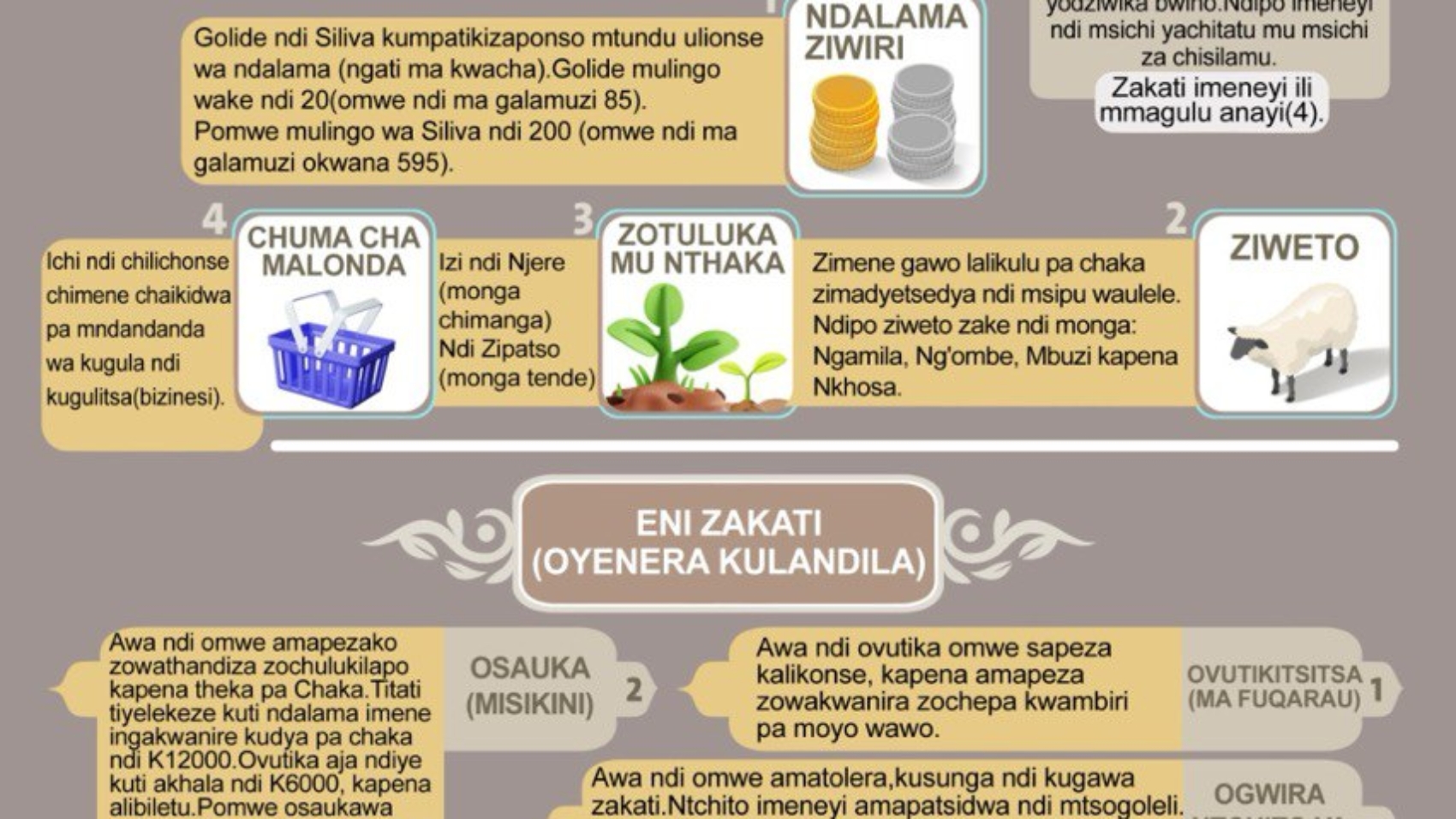
La Zakat

الزكاة

Image sur la zakat, réalisé par le cheykh le docteur Haytham Sarhan, dans laquelle il a évoqué les principales questions de la zakat obligatoire et recommandée, ainsi que la définition de la zakat et les biens pour lesquels la zakat est obligatoire, et qui sont les catégories de personnes auquels on la reverse, en évoquant les règles juridiques les plus importantes concernant la zakat dans une seule image.

لوحة الزكاة

La Zakat


En langue arabe :


La Zakat se divise en deux catégories :


  1. Zakat surérogatoire (nafila) :


C’est toute somme d’argent que l’homme donne par pure adoration sans obligation.


  1. Zakat obligatoire (fard) :


Elle se divise en deux types :


  1. a) Zakat du corps (Zakat al-Badan) :


Il s’agit de la Zakat al-Fitr, obligatoire pour tout musulman, qu’il soit grand ou petit, homme ou femme, esclave ou libre.


  1. b) Zakat sur les biens (Zakat al-Mal) :


Définition légale : C’est une adoration consistant à donner une part obligatoire et prescrite par la loi islamique sur certains biens spécifiques, en faveur de certaines catégories de personnes ou d’organismes définis.

Elle constitue le troisième pilier de l’islam et se divise en quatre types :

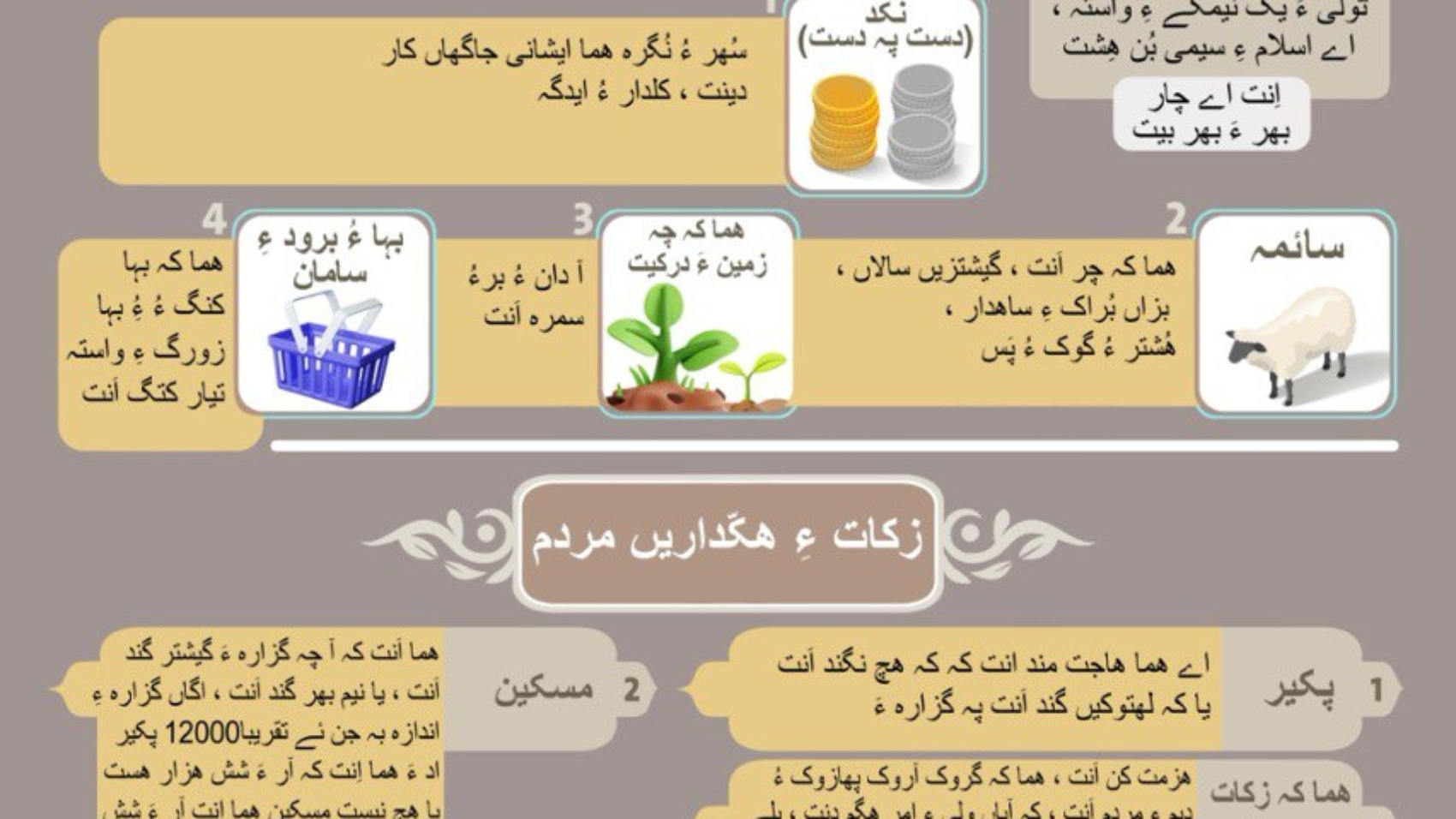
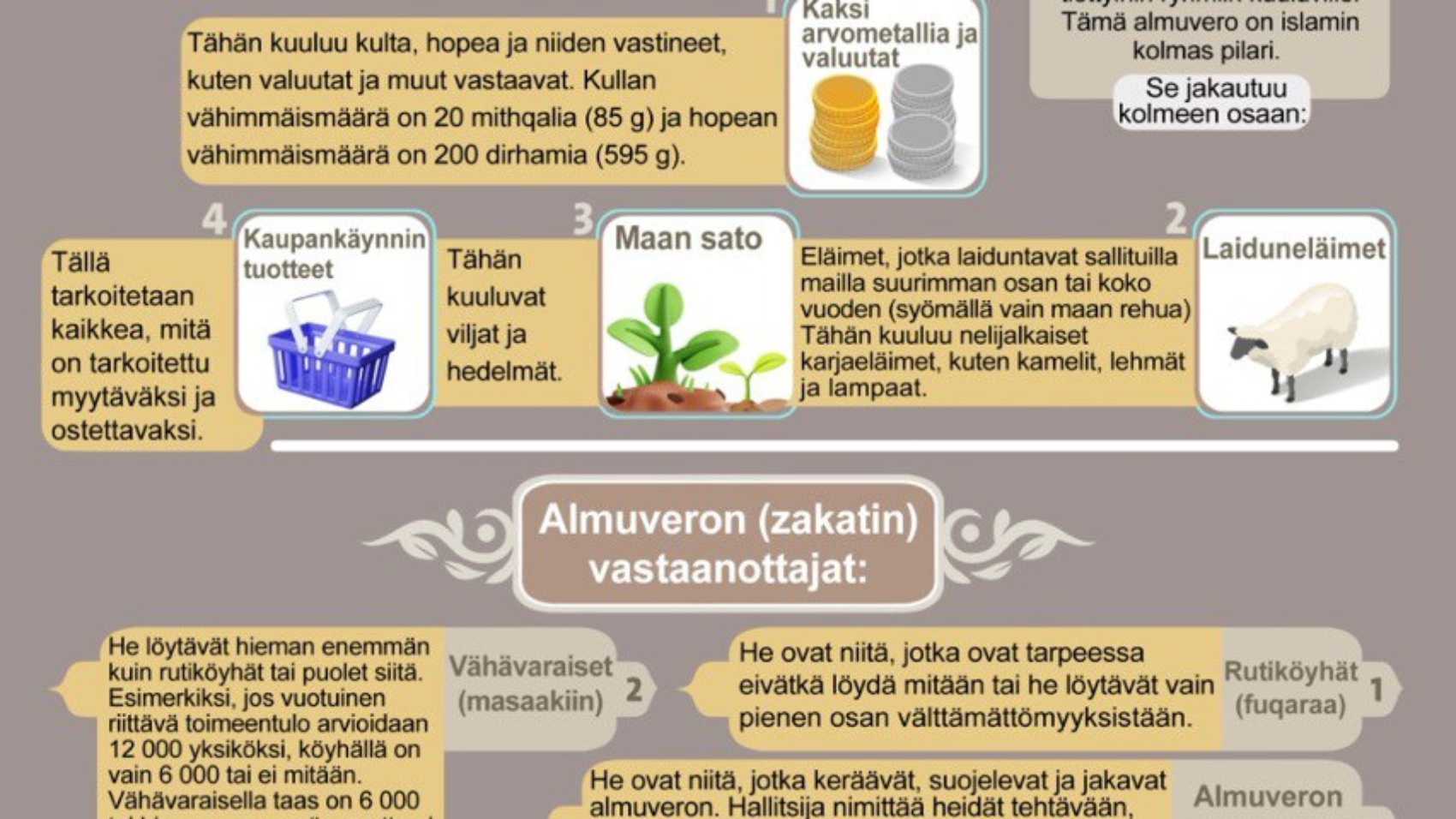
  1. Les deux métaux précieux (al-Naqdayn) :
  • L’or et l’argent, ainsi que ce qui en tient lieu, comme les devises et autres.
  • Le nissab (seuil minimum) de l’or est de 20 mithqals (soit 85 grammes).
  • Le nissab de l’argent est de 200 dirhams (soit 595 grammes).


  1. Les animaux de pâturage (as-Sā’ima) :

Ce sont les animaux qui se nourrissent exclusivement ou principalement de ce qui est licite à pâturer durant la majorité ou la totalité de l’année. Il s’agit des bêtes d’élevage comme les chameaux, les bovins et les ovins.


  1. Ce qui provient de la terre :

Cela inclut les céréales et les fruits.


  1. Les biens commerciaux (ʿUrūḍ at-Tijāra) :

Ce sont tous les biens destinés à la vente et à l’achat.


Les ayants droit de la Zakat :

  1. Les pauvres (al-Fuqarā’) :

Ce sont les personnes dans le besoin, qui ne possèdent rien ou qui ont moins de la moitié de ce qui leur est nécessaire.

  1. Les indigents (al-Masākīn) :

Ce sont ceux qui possèdent plus de la moitié de leurs besoins ou la majeure partie, mais pas la totalité. Par exemple, si les besoins annuels d’une personne sont estimés à 12 000, le pauvre est celui qui ne possède rien ou jusqu’à 6 000, tandis que l’indigent est celui qui possède entre 6 000 et moins de 12 000. Les deux reçoivent de quoi subvenir à leurs besoins pour une année, car la Zakat est annuelle.

  1. Les agents de la Zakat (ʿĀmilūn ʿala az-Zakat) :

Ce sont ceux qui collectent, préservent et distribuent la Zakat. Ils sont nommés par l’autorité compétente. Ils peuvent recevoir une part de la Zakat même s’ils sont riches.

  1. Les cœurs à rapprocher (al-Mu’allafa Qulūbuhum) :

Ce sont les personnes dont on espère la conversion à l’islam, dont on souhaite prévenir le mal, ou renforcer la foi.

  1. Pour libérer les captifs (Fī ar-Riqāb) :

Cela inclut :

  • a) L’esclave musulman ayant un contrat d’affranchissement (mukātab).
  • b) L’émancipation des esclaves musulmans.
  • c) La libération des prisonniers musulmans.
  1. Les endettés (al-Ghārimūn) :
  • a) Ceux qui contractent des dettes pour réconcilier les gens.
  • b) Ceux qui contractent des dettes personnelles.
  1. Dans le sentier d’Allah (Fī Sabīlillah) :

Cela inclut les combattants pour la cause d’Allah et ce dont ils ont besoin, comme des armes et d’autres équipements.

  1. Le voyageur en difficulté (Ibn as-Sabīl) :

Il s’agit du voyageur qui a épuisé ses provisions en chemin. Il reçoit ce qui lui permet de retourner chez lui.