

40 hadithet e Imam Neveviut Nga

40 hadithet e Imam Neveviut Nga

40 hadithet e Imam Neveviut Nga: Imam Ebu Zekerija Jahja bin Sheref el Hazami El-Nevevi

“Dyzet Hadithet” teks i cili përmblodhi dyzet e dy hadithe dhe Jahja bin Sheref En-Enueuij i cili ka ndërruar jetë në vitin 676 sipas hixhretit i përmblodhi këto hadithe në këtë tekst.

الأربعون النووية، متن اشتمل على اثنين وأربعين حديثاّ جمعها يحيى بن شرف النووي المتوفى 676 هـ

المسلم الصغير الباني

Muslimani i vogël

Libri Muslimani i vogël: Një libër në gjuhën Shipe, drejtuar nga faqja e internetit “Luaj dhe Mëso”, e cila mbikëqyret nga Sheikh Dr. Hejthem Serhan, tekst që përfshin parimet e Islamit dhe moralin për fëmijën musliman. Vjen me një konstrukt të bukur dhe emocionues, libri është argëtues, i bukur dhe tërheqës, gjë që e bën këtë libër të këndshëm.

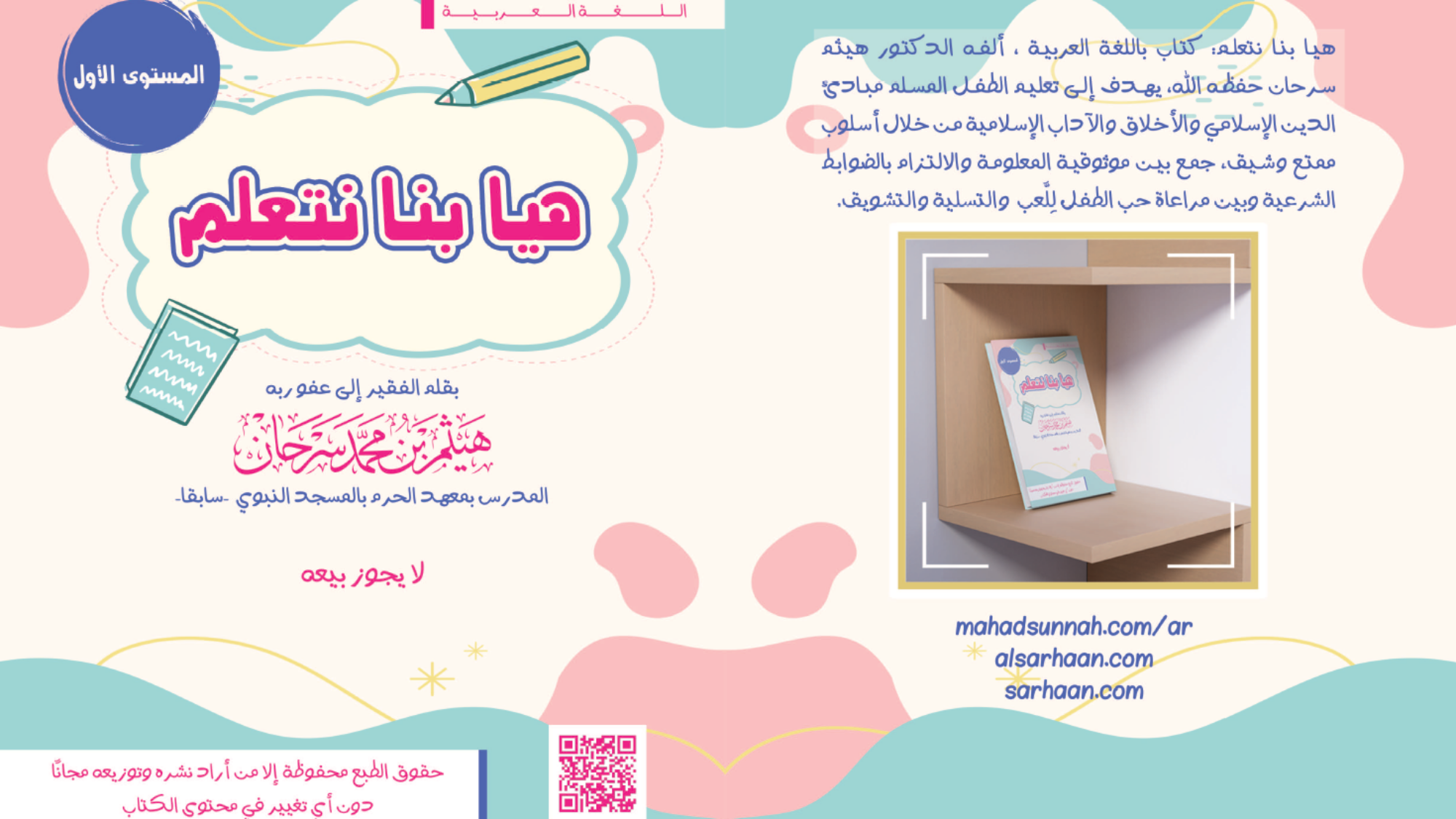
كتاب المسلم الصغير: كتاب باللغة
الألبانية ، من إخراج موقع ألعب وأتعلم الذي يشرف عليه الشيخ الدكتور هيثم سرحان، وهو متن يشتمل على مبادئ الإسلام والأخلاق للطفل المسلم، جاء في حُلَّةٍ جميلة ومثيرة، تضفي طابعًا من المتعة والتشويق للكتاب.

Happy Living Tips

A summary of the book The beneficial means to a happy life

A summary of the book
The beneficial means to a happy life

The author: Abdurrahman Ibn Naasir As Si’di (1307 – 1376 AH); From the most prominent Islamic scholars of his era; And one of the well-grounded imams (in knowledge).
A summary of the book
“The beneficial means to a happy life”
Reason for authorship: When the shaykh travelled to Lebanon – during a medical journey (in the year 1373 AH) – he read the book, “How to stop worrying and start living” by Dale Carnegie; he was impressed by it, hence writing a book with a similar theme.
1) Belief in Allah ta’ala and doing righteous actions: Belief will lead you to patience, happiness and contentment with what Allah has ordained.
2) Excellence to the creation with sayings and actions; goodness brings forth goodness and repels evil.
3) Occupying (oneself) with [good] deeds and beneficial knowledge: It distracts the heart by thinking about what worries you.
4) Occupying ones thoughts about the days work: so do not become saddened by what has passed, nor worry about the future, for verily the prophet صلى الله عليه
وسلم would seek refuge in Allah from worry and sadness.
5) Increasing in the remembrance of Allah: For the remembrance of Allah produces contentment and tranquillity for the heart.
6) Enumerating the apparent and hidden blessings of Allah; for it brings about gratitude and removes grief.
7) Looking at the one who is lower than you; for it allows you to thank Allah for what you have, and removes your grief and sadness
8) Forgetting the past; because you are not able to regain the past, and busying yourself with it is pointless and madness
9) Supplicating to Allah; such as supplicating for the rectification of your religion, your world affairs, and the affairs of the hereafter – as mentioned in the hadith
10) To always expect the worst; because when the worse does come to occur, it reduces the effect
11) To not overthink in delusions and imaginations; for delusions produce bad thoughts, and make you assume negativity, which is a means of depression and illnesses
12) Having trust in Allah and relying upon Him; “Whoever relies upon Allah, He is sufficient for Him.” (65:3)
13) Accepting the shortcomings of others, and having patience upon their harm; every person has shortcomings, or things we dislike so look at their positive side rather than their negative
14) Do not busy yourself with trivial matters; just as you are able to settle with calamities, it is more rightful for you to not be concerned with vain matters.
15) Life is short; the true life (even if short) is a life of happiness and contentment, so do not shorten it with depression and unhappiness.
16) There is no reality to most of your worries; for most of the things which you are worrying about have not occurred so do not allow weak possibilities to overtake the strong possibilities.
17) Do not become concerned with what people say; for the harms of the people are upon themselves but if you become busy with them then you will harm yourself just as they are harming themselves.
18) Your life follows your thoughts; so if your thoughts are beneficial for your religion or your worldly affairs then your life will be happy and content otherwise the opposite will occur.
19) Do not anticipate from the people gratitude; if you do good to those who have a right upon you or those who do not have a right upon you then this is a transaction between you and Allah, so do not care about the absence of their gratitude to you.
20) Busy yourself with that which benefits you; for the harmful affairs produce grief and sorrow, so seek aid in beneficial actions.
21) Strive to complete your affairs immediately; for the delayed affairs will gather upon you with your future affairs and you will become preoccupied with them.
22) Prioritise; start with the most important then the most important and choose that which you are most inclined towards, so that you may not fall into discontentment or boredom; and seek counsel for you will not regret counselling


dos direitos denominados pela Fitrah

Resumo dos direitos denominados pela Fitrah instinto inclinação natural estabelecido pela lei islâmica

Resumo dos direitos denominados pela Fitrah (instinto / inclinação natural) estabelecido pela lei islâmica em português por Ibn Uthaimeen (Allah tenha misericórdia dele).

ملخص حُقوق دعت إليها الفطرة وقرَّرتها الشريعة باللغة العربية لابن عثيمين رحمه الله
Sumário dos direitos denominados pela Fitrah (instinto / inclinação natural) e foi estabelecido pela lei islâmica em português, por Ibn Uthaimeen (que Allah tenha misericórdia dele).

1ـ حقُّ الله تعالى
أن تعبده وحده لا شريك له، وتكون عبدًا متذللا خاضعا له، ممتثلا لأمره، مجتنباً لنهيه، مصدِّقا بخبره، عقيدة مثلى، وإيمانٌ بالحق، وعمل صالح مثمر، عقيدة قوامها: المحبة والتعظيم، وثمرتها: الإخلاص والمثابرة.
1-  Os direitos de Allah (o Exaltado) :
Ele ser adorado, único e sem parceiros, e você deve ser um servo submisso, obediente, seguir as suas ordens, afastar-se da sua proibição, crente nas suas revelações, com a crença perfeita e a fé na verdade, e praticar boas ações que dão frutos, Aqidah (crença) é baseada no amor, na exaltação e o seu fruto é a sinceridade, a perseverança e a persistência.

2ـ حقّ رسول اللّه ﷺ
توقيره، واحترامه، وتعظيمه؛ التَّعظيم اللائق به، من غير غلوٍّ ولا تقصير.
وتصديقه فيما أخبر به من الأمور الماضية والمستقبَلة، وامتثال ما به أمر، واجتناب ما عنه نهى وزجر، والإيمان بأن هديه أكمل
الهدي، والدفاع عن شريعته وهديه.

2-  Os direitos do Mensageiro de Allah(ﷺ) :
Dignificá-lo, respeitá-lo, e elogiá-lo, através do  elogio merecido sem exageros e nem diminuição e acreditar no que foi revelado por ele dos acontecimentos que ocorreram no passado e no futuro, e seguir o seu exemplo de acordo com o que foi ordenado por ele, e afastar-se do que ele proibiu e advertiu, e a fé de que a sua orientação é a mais completa orientação e a defesa das suas leis e conduta.


3ـ حقوق الوالدين
تبرهما، وذلك بالإحسان إليهما قولًا وفعلا بالمال والبدن، وتمتثل أمرهما في غير معصية الله، وفي غير ما فيه ضرر عليك.

3-      Os direitos dos pais:
Obedecê-los, e tratá-los da melhor forma possível, seja na fala ou na prática financeiramente ou fisicamente.
E seguir as suas ordens desde que não implique a desobediência de Allah , e desde que seja prejudicial para si.

4ـ حقُّ الأولاد
1ـ التربية؛ وهي تنمية الدين والأخلاق في نفوسهم حتى يكونوا على جانب كبير من ذلك
2ـ أن ينفق عليهم بالمعروف من غير إسراف ولا تقصير
3ـ ألا يفضل أحدا منهم على أحد في العطايا والهبات

4- Os direitos dos filhos:
1- A educação, e ela é o desenvolvimento da religião e dos bons modos neles próprios até tornarem-se adultos.
2-  Gastar sobre eles com generosidade sem desperdício e sem ser insuficiente.
3- Não dar preferência a uns sobre os outros nas ofertas ou presentes.

5ـ حقوق الأقارب
أن يصل قريبه بالمعروف؛ ببذل الجاه، والنفع البدني، والنفع المالي بحسب ما تتطلبه قوة القرابة والحاجة.

5-  Os direitos dos parentes:

Relacionar com aqueles que estão próximos com bondade, ou utilizar a sua posição, ou beneficiar fisicamente ou financeiramente, de acordo com a proximidade, do parente e a necessidade.

6ـ حقّ الزوجين
أَن يعاشر كل منهما الآخر بالمعروف وأن يبذل الحق الواجب له بكل سماحة وسهولة من غير تكرّه لبذله ولا مماطلة.
من حقوق الزوجة على زوجها: أن يقوم بواجب نفقتها من الطعام والشراب والكسوة والمسكن وتوابع ذلك، والعدل ببن الزوجات.
من حقوق الزوج على زوجته: أن تطيعه في غير معصية اللّه، وأن تحفظه في سره وماله، وألا تعمل عملا يضيع عليه كمال الاستمتاع.

6- Os direitos dos noivos:
Conviver um com o outro em harmonia e cumprir com o seu dever obrigatório com a tolerância e simplicidade. Sem ser forçado (ou sem compulsão) e sem procrastinação.
Entre os direitos da esposa sobre o seu esposo: ele cumprir com a sua obrigação nos gastos ou sustento, na alimentação, vestuário e alojamento entre outras despesas e ser justo entre as noivas.
Entre os direitos do esposo sobre a noiva:
ela obedecer-lhe desde que não esteja em causa a desobediência de Allah e proteger-lhe os seus segredos e os seus bens e não praticar nenhuma ação que faça ele perder o seu contentamento.

7ـ حقوق الولاة والرعية
حقوق الرعية على الولاة: أن يقوموا بالأمانة التي حملهم الله إياها وألزمهم القيام بها من النصح للرعية والسير بها على النهج القويم الكفيل بمصالح الدنيا والآخرة، وذلك باتباع سبيل المؤمنين.
حقوق الولاة على الرعية فهي: النصح لهم فيما يتولاه الإنسان من أمورهم، وتذكيرهم إذا غفلوا، والدعاء لهم إذا مالوا عن الحق، وامتثال أمرهم في غير معصية الله، ومساعدتهم.

7- Os direitos dos líderes e cidadãos:
Os direitos dos cidadãos sobre os  líderes:
Cumprir com o pacto que Allah determinou e tornou obrigatório sobre eles, o aconselhamento aos cidadãos, e a orientação através disso com  abordagem e retificação dos seus afazeres mundanos e da vida após a morte ao seguir o caminho dos muçulmanos.
Os direitos dos líderes sobre os cidadãos:
Aconselhar eles sobre as suas responsabilidades no que diz respeito aos assuntos dos cidadãos,  e relembrar-lhes quando tornarem-se negligentes,  e suplicar para eles quando desviarem-se da verdade, obedecer as suas ordens sempre que não implicar  a desobediência de Allah , e colaborar com eles.

8ـ حق الجيران
الجار: هو القريب منك في المنزل، يحسن إليه بما استطاع من المال والجاه والنفع، ويكفّ عنه الأذى القولي والفعلي.
1ـ إن كان قريبا منك في النسب وهو مسلم فله ثلاثة حقوق: حق الجوار، وحق القرابة، وحق الإسلام.
2ـ إن كان مسلما وليس بقريب في النسب فله حقان: حق الجوار، وحق الإسلام
3ـ وكذلك إن كان قريبا وليس مسلما فله حقان: حق الجوار، وحق القرابة
4ـ إن كان بعيدا غير مسلم فله حق واحد: حق الجوار

8-     Os direitos dos vizinhos:
O vizinho: Aquele que tem uma residência perto de você.
Tratar-lhe bem de acordo com a sua capacidade financeira, a sua posição e benefício, e abster-se através das palavras ou ações  que podem causar-lhe prejuízo.

1- Se for um parente próximo da mesma família e ele for muçulmano, então ele tem três direitos:
• Os direitos dos vizinhos
• Os direitos do parentesco
• Os direitos do Islam
2- Se for muçulmano e não for parente, ele tem dois direitos:
• Os direitos dos vizinhos
• Os direitos do Islam
3-   E da mesma forma se for um parente e não for muçulmano, ele tem dois direitos:
• Os direitos do vizinho
• Os direitos do parentesco
4-  Se não for parente e não for muçulmano ele tem apenas um direito:
• Os direitos do vizinho

9ـ حقوق المسلمين عموما
منها السلام، وإذا دعاك فأجبه، وإذا استنصحك فانصحه، وإذا عطس فحمد الله فشمّته، وإذا مرض فعده، وإذا مات فاتبعه، وكف الأذى عنه.
حقوق المسلم على المسلم كثيرة، ويمكن أن يكون المعنى الجامع لها هو قوله ﷺ «المسلم أخو المسلم» فإنه متى قام بمقتضى هذه الأخوة اجتهد أن يتحرى له الخير كله، وأن يجتنب كل ما يضره.
9-  Os direitos dos muçulmanos em geral:
Entre eles o cumprimento através do “salam” e quando for convidado deve aceitar, quando for consultado deve dar-lhe conselhos, quando ele espirrar e disser “Al hamdu lillah”, deve dizer-lhe “yarhamukullah” , quando estiver doente deve visitá-lo, quando falecer deve participar no seu funeral e evitar causar-lhe prejuízo.
Os direitos dos muçulmanos sobre os outros muçulmanos são muitos e há possibilidade do seu significado geral estar incluído nas palavras do Profeta (ﷺ) :
“ O muçulmano é irmão do muçulmano” portanto quando ele implementar este compromisso de irmandade , deve esforçar-se em procurar fazer-lhe o bem , e afastar-se de tudo o que possa prejudicar-lhe.

10ـ حق غير المسلمين
يجب على ولي أمر المسلمين أن يحكم فيهم بحكم الإسلام في النفس والمال والعرض، وأن يقيم الحدود عليهم فيما يعتقدون تحريمه، ويجب عليه حمايتهم وكف الأذى عنهم.
ويجب أن يتميزوا عن المسلمين في اللباس، وألا يظهروا شيئا منكرا في الإسلام، أو شيئا من شعائر دينهم؛ كالناقوس،
والصليب.
10-  Os direitos dos não muçulmanos:
É obrigatório sobre o governo dos muçulmanos julgar entre eles conforme as leis do Islam, nas suas vidas, bens, honra e implementar os limites sobre eles de acordo com o que julgam ser proibido. E é a sua obrigação conceder-lhes proteção e não causar-lhes qualquer tipo de dano.
É dever que eles sejam distinguidos dos muçulmanos no vestuário, e não demonstrarem algo que seja considerado ofensivo no Islam, ou algo dos seus rituais religiosos como o sino ou a cruz.

Wer war der Prophet Muhammad صلى الله عليه وسلم

Wer war der Prophet Muhammad صلى الله عليه وسلم und was hat er uns gelehrt?

ننها مسلمان

ننها مسلمان

ننها مسلمان

الشيخ سرحان: ننہا مسلمان : یہ اردو زبان میں ایک کتاب ہے، اس کتاب کی ہدایت کاری “ألعب وأتعلم” نامی ویب سائٹ نے کی ہے جو شیخ ڈاکٹر ہیثم سرحان کے زیر نگرانی ہے، یہ ایسا سبق ہے جس میں مسلمان بچوں کے لیے اسلام کے اصول اور اخلاقیات شامل ہیں۔ کتاب خوبصورت اور دلکش پیرائے میں ہے جو اسے مزید فرحت بخش اور پُرلطف بناتی ہے۔

شروط الصلاة

شروط الصلاة أركانها و واجباتها

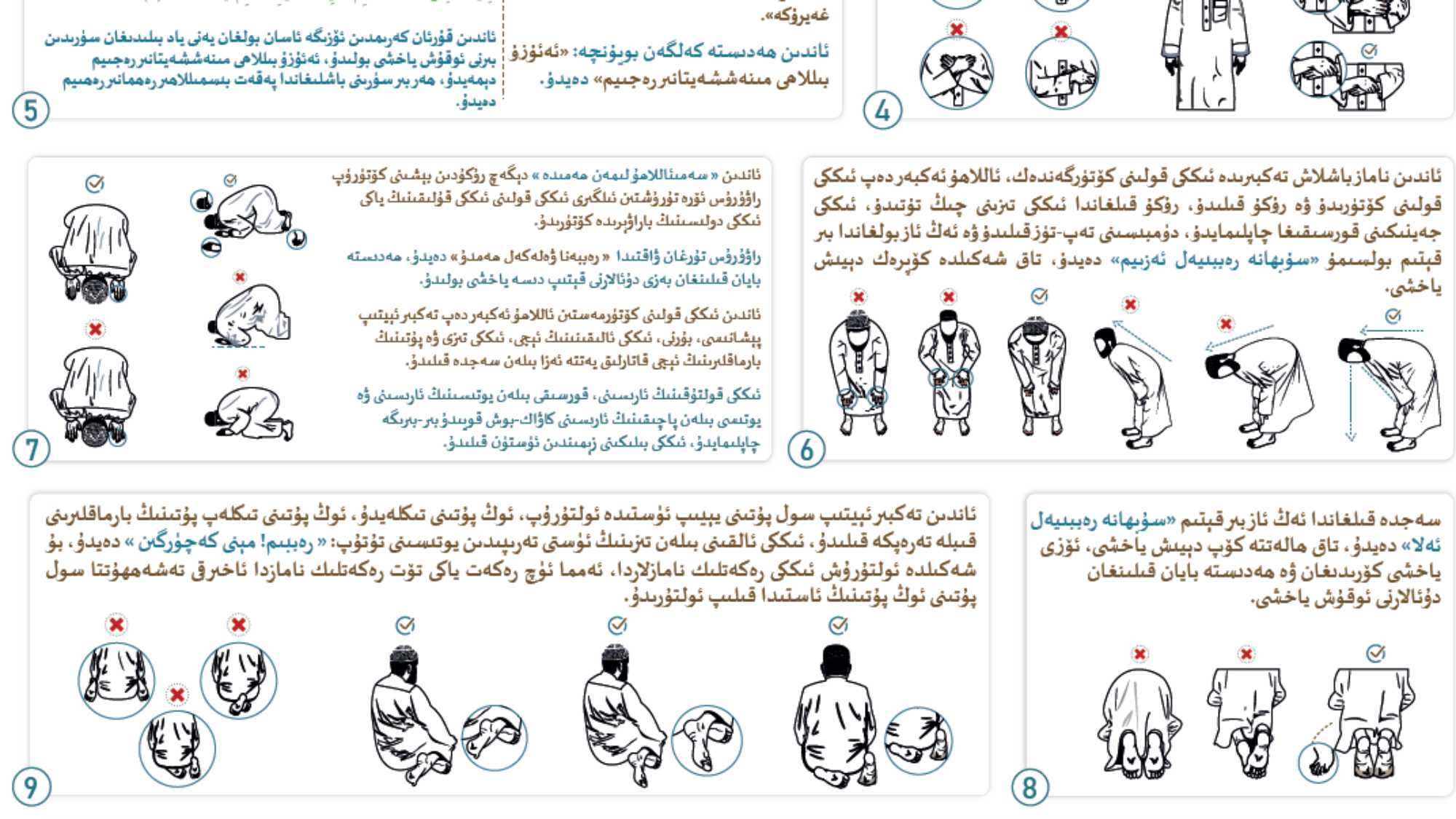
شروط الصلاة وأركانها وواجباتها : رسالة مختصرة كتبها الإمام المجدد شيخ الإسلام محمد بن عبد الوهاب – رحمه الله – وقد اشتملت على شروط الصلاة وواجباتها وأركانها وهذا الركن أهم وأعظم الأركان بعد الشهادتين وهي الركن التي يؤديها المسلم في اليوم والليلة خمس مرات.