
workbook-tajrid-al-qawaid-min-qawaid-al-muthla

Principles extracted from “The Lofty Principles”

القواعد المثلى للعثيمين

Notes
In the name of Allah, arRamān (the Most Merciful), arRaīm (the Bestower of Mercy).

“Alqawā’id almuthla fī ifātillahi wa asmāihi alusnā” (lit. Exemplary Principles Regarding the
Attributes of Allāh and His Beautiful Names), is a book authored by Shaykh Muammad Ibn āli
al‘Uthaymīn which clarifies the correct ‘Aqīdah concerning Tawīd alAsmā wasifāt.

It contains 7 principles regarding the beautiful names of Allāh; 7 principles regarding the lofty
attributes of Allāh, and 4 further principles to help understand Āyāt and adiīh pertaining to the
names and attributes of Allāh.

In this treatise, I have extracted the principles mentioned by Ibn al‘Uthaymīn and set it in the form
of a workbook. To further assist students in their study of this aspect of Tawīd, I have added an
introduction from the words of Ibn ‘Uthaymīn from other sources.

Abul Abbaas Naveed Ayaaz

Date: Monday, 29th Safar, 1444h

Corresponding to: 26th September, 2022.

The Invalidators of Islam

The Invalidators of Islām

نواقض الإسلام

The Invalidators of Islām
Authored by
Muḥammad Ibn ‘AbdulWahhāb

Translated by
Abul Abbaas Naveed Ayaaz

اللغة الانجليزية
English

Ma’had As-Sunnah Supervised by Dr. Haytham Sarhaan
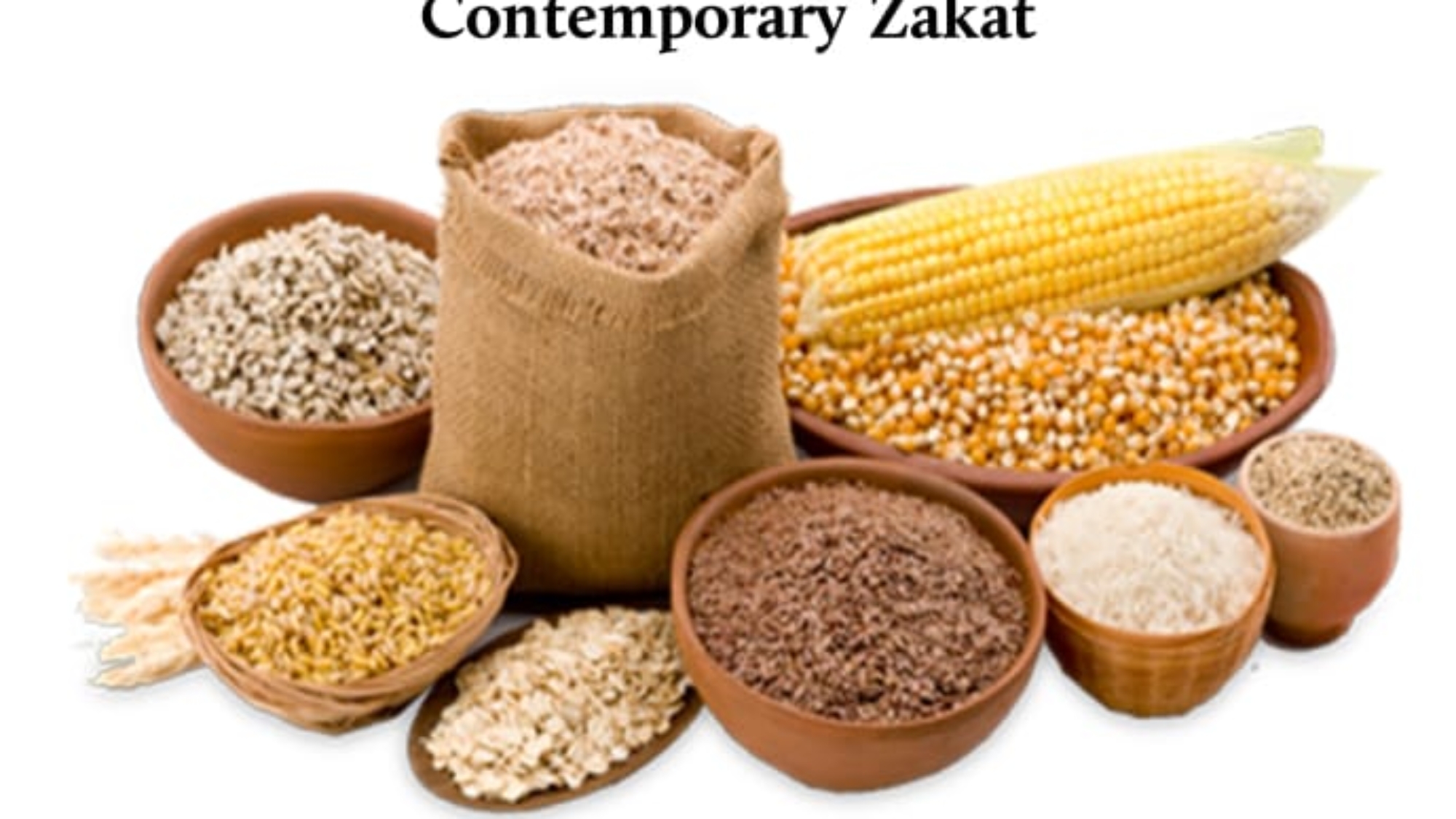
Zakat

Essential Questions & Answers Regarding: Contemporary Zakāt

اسئلة حول الزكاة

Introduction
1. What is Zakāh?

2. Why is it called Zakāh?

3. What is the ruling of Zakāh?

4. What is the ruling of a person who knowingly withholds Zakāh?

5. What is the punishment for withholding Zakāh?

6. When was Zakāh legislated?

7. What are the benefits of giving Zakāh?

8. When does Zakāh become obligatory upon a person?

9. What date does the year begin and end, to know whether one’s
wealth is above the Niāb?

10. Must Zakāh be given in Ramadān?

11. Can a person delay Zakāh or give it earlier than it is due?

12. Can a person delay the distribution of Zakāh?

13. What is the Niāb (minimum threshold) after which Zakāh must
be given?

14. Is Niāb measured by the value of gold or silver?

15. Is Zakāh due if savings decrease below the Niāb throughout
the year and then exceed it towards the end of the year?

16. What types of wealth is Zakāh due upon?

17. How much Zakāh is given?

18. How is Zakāh on money calculated?

19. Does an orphan have to pay Zakāh?

20. Is Zakāh obligatory upon a person who has debts?

The Three Fundamental Principles

The Three Fundamental Principles And Their Evidences workbook

The Three Fundamental Principles And Their Evidences
الأصول الثلاثة

Authored by
Muḥammad Ibn ‘AbdulWahhāb

Translated by
Abul Abbaas Naveed Ayaaz

اللغة الانجليزية
English

Ma’had As-Sunnah Supervised by Dr. Haytham Sarhaan
الأصول الثلاثة

Authored by
Muḥammad Ibn ‘AbdulWahhāb

Translated by
Abul Abbaas Naveed Ayaaz

اللغة الانجليزية
English

Ma’had As-Sunnah Supervised by Dr. Haytham Sarhaan
The Creed of the Imāms of Ḥadīth

The Creed of the Imāms of Ḥadīth

اعتقاد أئمة الحديث

The Creed of the Imāms of Ḥadīth

Authored by
Abu Bakr Aḥmad al-Isma’īli [d: 371h]

Translated by
Abul Abbaas Naveed Ayaaz

اللغة الانجليزية
English

Ma’had As-Sunnah Supervised by Dr. Haytham Sarhaan
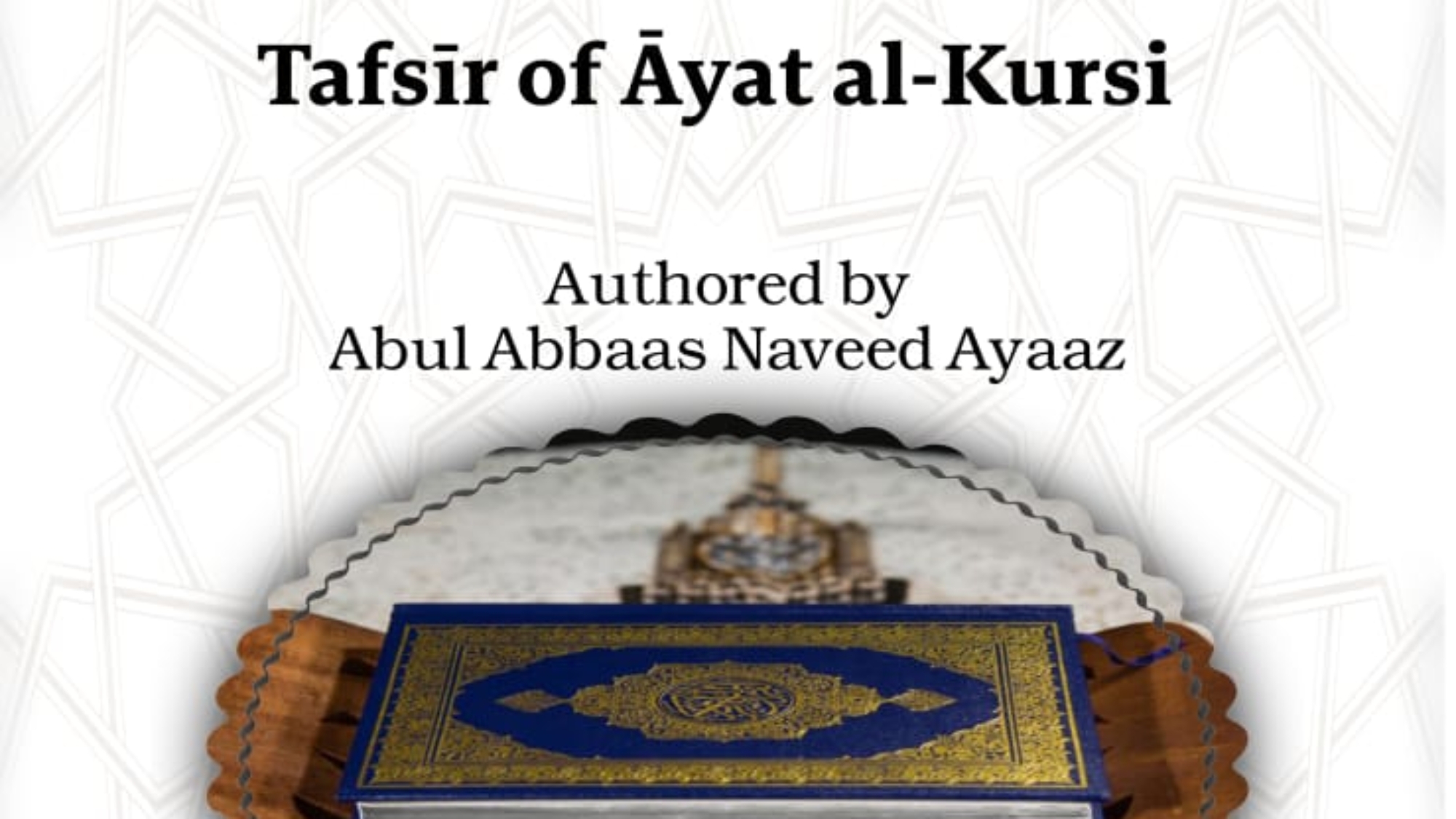
Tafsīr of Āyat al-Kursi

Tafsīr of Āyat al-Kursi

تفسير آية الكرسي

Tafsīr of Āyat al-Kursi

Authored by

Translated by
Abul Abbaas Naveed Ayaaz

اللغة الانجليزية
English

Ma’had As-Sunnah Supervised by Dr. Haytham Sarhaan
The Famous Ḥadīth of Jibrῑl

The Famous Ḥadīth of Jibrῑl

شرح حديث جبريل

The Famous Ḥadīth of Jibrῑl

Authored by

Translated by
Abul Abbaas Naveed Ayaaz

اللغة الانجليزية
English

Ma’had As-Sunnah Supervised by Dr. Haytham Sarhaan

workbook-lamiyyah-ibn-taymiyyah

Lāmiyyah of Ibn Taymiyyah [Poem]

workbook-lamiyyah-ibn-taymiyyah

لامية ابن تيمية
Workbook: Lāmiyyah of Ibn Taymiyyah
Electronic Edition – Version 1.00 Sunday 23 rd September, 2021

Copyright © 2021 – Madeenah.com

All Rights Reserved*

No part of this publication may be reproduced, stored in a retrieval

system or transmitted in any form or by any means, electronic, mechanical, photocopying,

recording or otherwise without the prior written permission of the copyright owner;

*Except for one who wishes to charitably print and freely distribute this publication, “as is” – strictly
without change, solely seeking the Pleasure of Allah.

فَمَن كَان َ يـَرْجُو لِقَاء َ رَبِّه ِ فـَلْيـَعْمَل ْ عَمَلا ً صَالحِ ًا وَلا َ يُشْرِك ْ بِعِبَادَة ِ رَبِّه ِ أَحَدًا

{So whoever hopes for the meeting with his Lord, let him work righteousness and associate
none as a partner in the worship of his Lord} [18:110]

The Four Fundamental Principles

The Four Fundamental Principles, Workbook

Workbook
The Four Fundamental Principles
Authored by
Muḥammad Ibn ‘AbdulWahhāb
القواعد الاربعة

Translated by
Abul Abbaas Naveed Ayaaz

اللغة الانجليزية
English

Ma’had As-Sunnah Supervised by Dr. Haytham Sarhaan